

Life is valuable because it ends
Water vs. Diamonds
“Time is no longer a scarce good that must be carefully consumed.”
— Beautiful Scars, §64
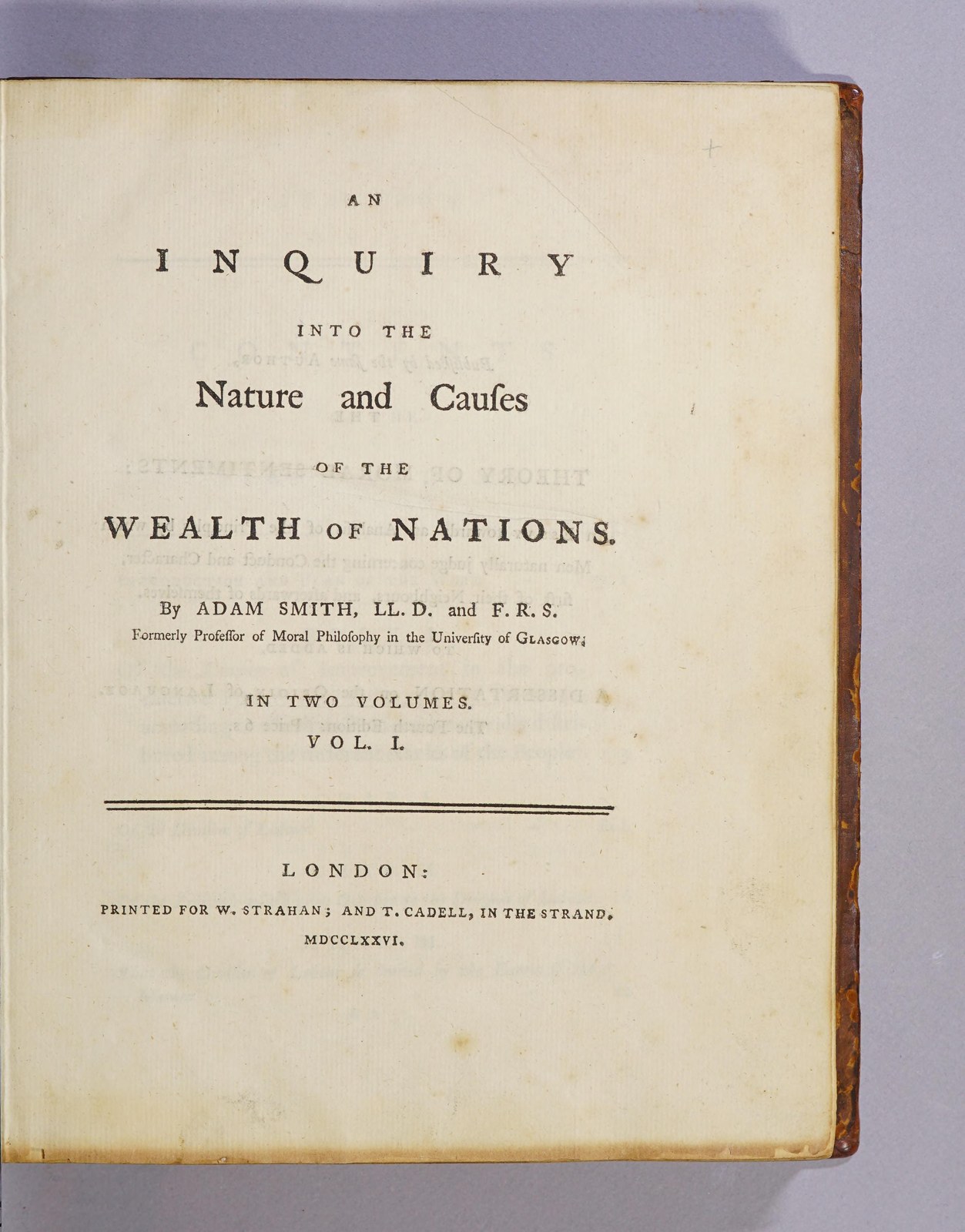
The paradox: In 1776 the Scottish moral philosopher Adam Smith published An Inquiry into the Nature and Causes of the Wealth of Nations. In it he set down a puzzle that economists still call the paradox of value: “Nothing is more useful than water: but it will purchase scarce anything; scarce anything can be had in exchange for it. A diamond, on the contrary, has scarce any value in use; but a very great quantity of other goods may frequently be had in exchange for it.”
Smith described the paradox; he did not solve it. The answer came almost a century later. In the 1870s three economists, William Stanley Jevons in England, Carl Menger in Austria, and Léon Walras in Switzerland, working separately, reached the same idea: the price of a thing is set not by how useful it is in general, but by how much one more of it is worth to us. Water is everywhere, so one more glass is worth almost nothing. Diamonds are rare. Value follows scarcity.
The same is true of a life. We are mortal, so our time is scarce, and because it is scarce it is valuable.
In the novel, a pill taken at twenty-five stops the body from aging, and nobody dies. Time stops being scarce. Only one day keeps its value: el día de la Alegría, the day of the pill, the one day in a life “that cannot be postponed, and that cannot happen twice.”
If life were no longer finite, how would we value our time?
The next section is intended to be read once you have finished the book.
I’ve finished the bookClose
One person in the novel chooses to stay scarce. Verónica never takes the pill, and she never gives a reason. She grows old beside a husband who does not, in a lecture hall where, year after year, she is “the only thing … that ever changed.”