

The perfect surface and the hidden cost
The perfect picture
“A photograph is a comparison, and by Saturday there is nothing left to compare her to.”
— Beautiful Scars, §15
In the novel, Sebastián drives past the same billboard twice a day. A hotel in Cancún: water of “a blue that water is not”, four people in white linen “laughing at something outside the frame”, and, in letters a meter high, VACACIONES EN FAMILIA. Every time, “something in it catches on me, like a nail head catching on a sleeve.” He has never been able to say what.
The comparison: In 1954 the American psychologist Leon Festinger published “A Theory of Social Comparison Processes”. Its idea is simple: when people have no objective measure of themselves, they measure themselves against others. Comparing themselves with someone who seems better off is called upward comparison, and research has since linked it, on social media in particular, to stress, envy, and dissatisfaction. Unconsciously, people compare every aspect of their own lives, including the trials and tribulations, with a snapshot of other people’s best moments.
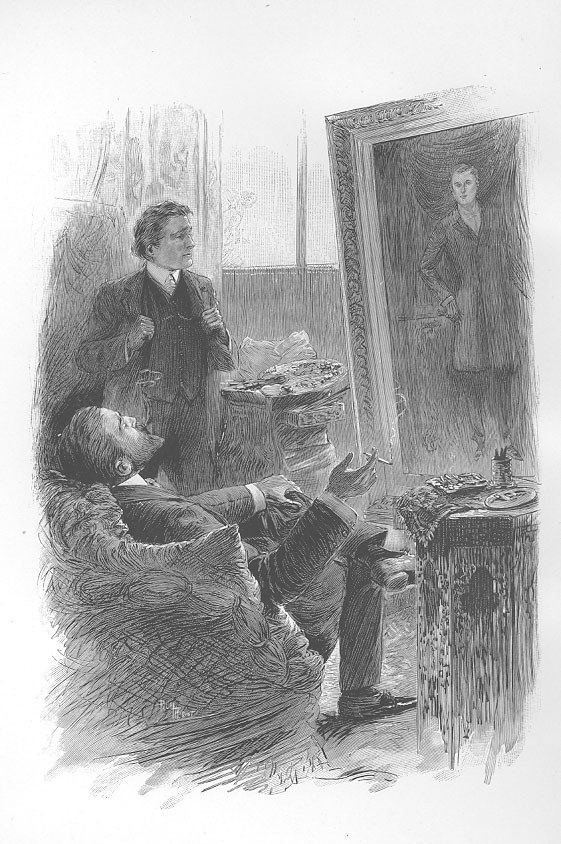
The perfect picture is not new. In 1890 Oscar Wilde published The Picture of Dorian Gray: a young man stays young and beautiful while his portrait, hidden away in a locked room upstairs, grows old and carries the marks of everything he does. In the same novel, Lord Henry Wotton remarks: “Nowadays people know the price of everything and the value of nothing.”
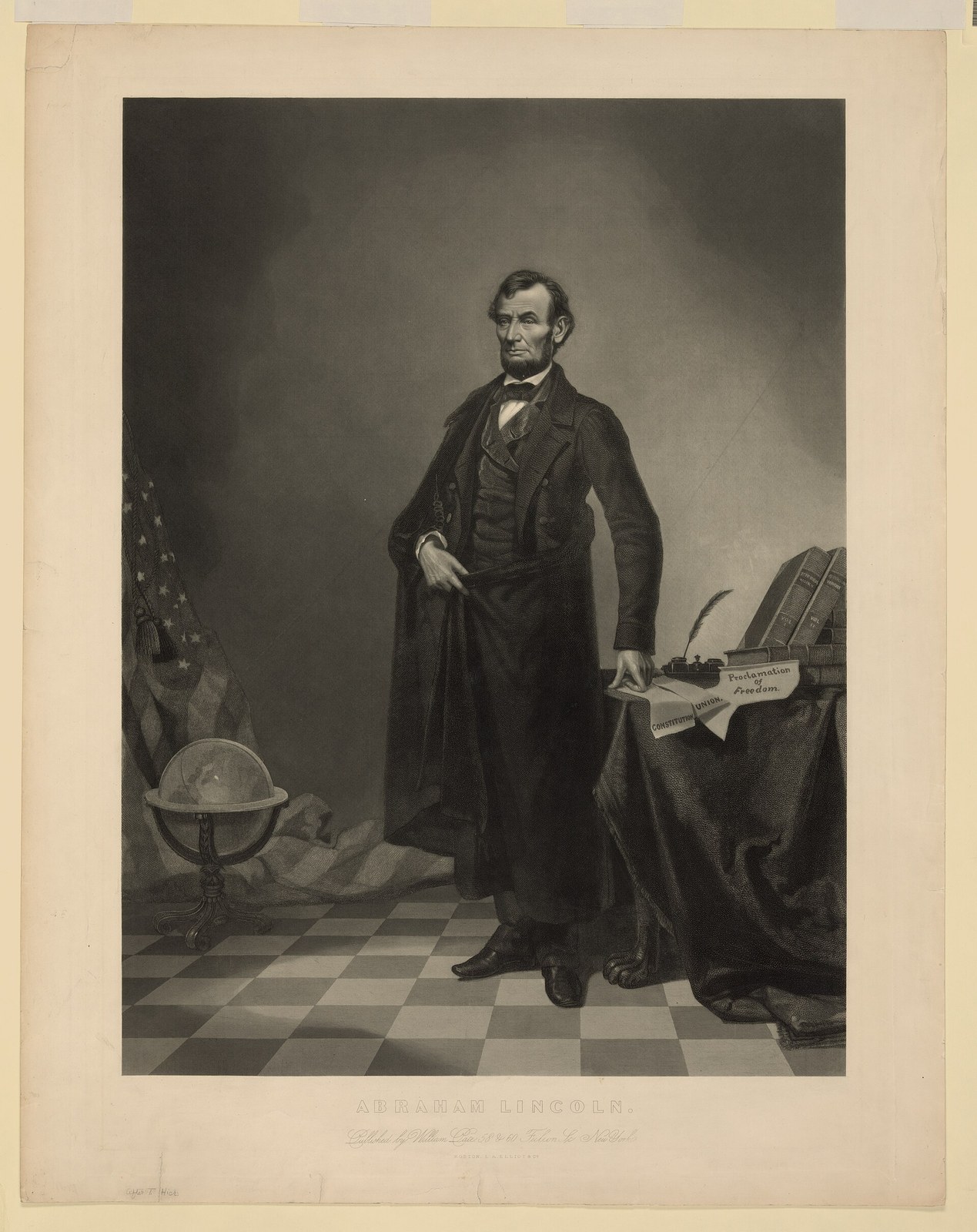
Long before filters, a portrait of Abraham Lincoln printed around 1865 is not entirely Lincoln. The printmaker took an engraving of the politician John C. Calhoun, made in 1852, and set Lincoln’s head on Calhoun’s body.
In the novel, a face stops changing at twenty-five, so photographs of adults stop mattering. People are photographed on one last day: el día de la Alegría. At her party, a girl called Renata, a name that means “reborn”, is photographed nine hundred times before midnight. “It is the last day anybody photographs you.”
What does the perfect version leave out, of other people and of you?
The next section is intended to be read once you have finished the book.
I’ve finished the bookClose
Renata means “reborn”. On her twenty-fifth birthday she takes the pill with a glass of water in front of ninety people, in a ceremony Sebastián calls “the nearest thing this world still has to a sacristy.” That night, on the way home, he thinks of another twenty-fifth birthday, on a date he knows, of which there are no photographs.
Sebastián carries one photograph in his wallet: his daughter’s twelfth birthday. At the edge of the frame is a hand on her shoulder, “the only hand in the picture with any age in its knuckles.” There are soap bubbles in the air. “Every one of those bubbles was gone before the shutter finished.” He could make a clean copy in four seconds. He never has.
Here is a contradiction in Sebastián. He takes the pill every morning, and his body will never scar again. Yet the one picture he carries is worn and folded, the number twelve almost gone, and he refuses to replace it with a perfect copy. Contradiction resides in every person in the world; no one is fully coherent.