

Dr. Guillermo Alegría
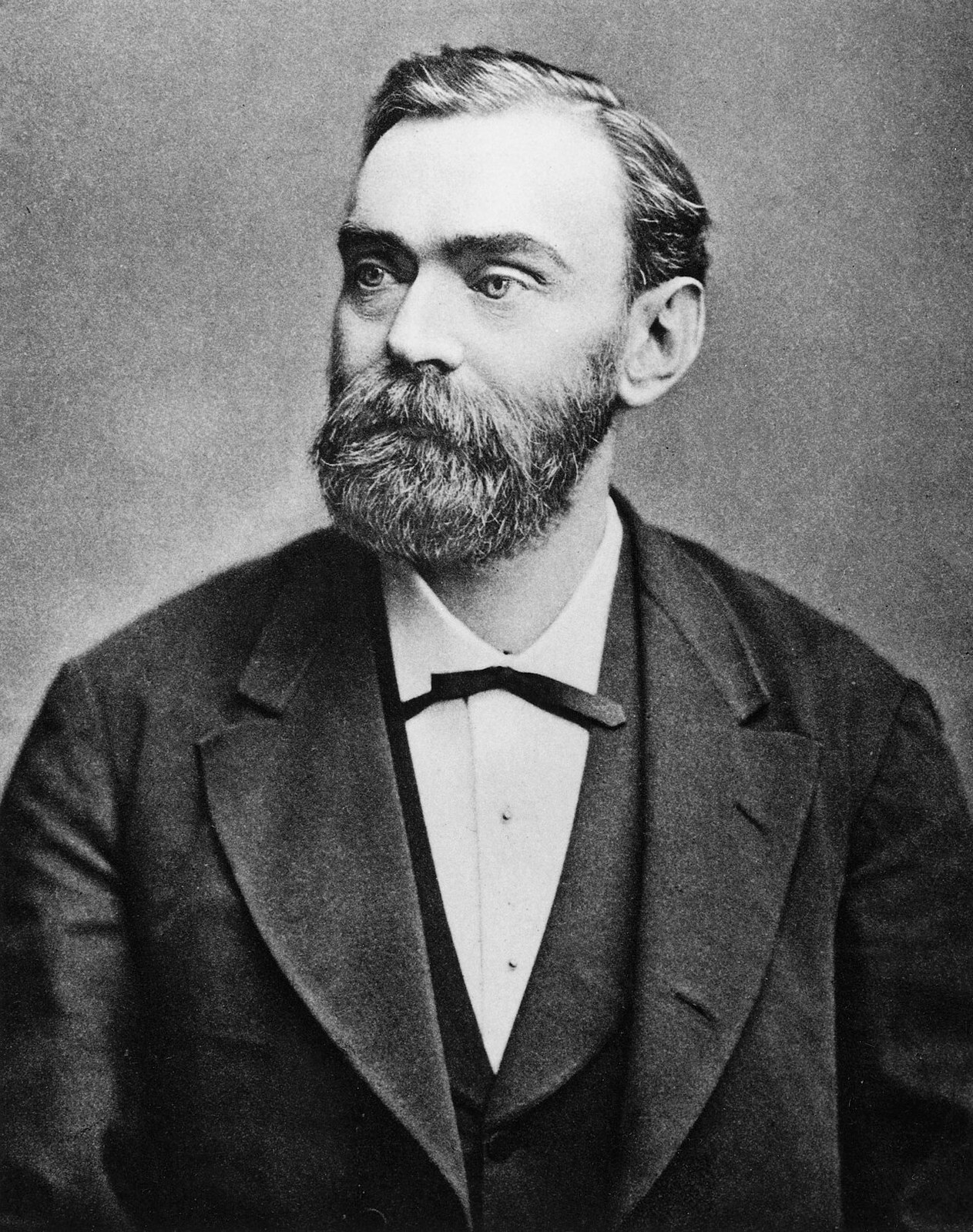
“There is a photograph of the man who made it, and everybody has seen it, and nobody looks at it.”
— Beautiful Scars, §33
Origin: Dr. Alegría, the man who created the pill, is inspired by Alfred Nobel.
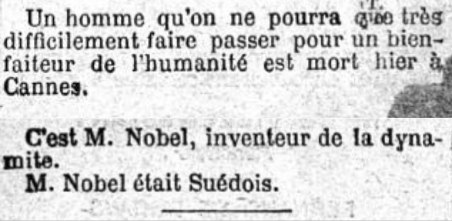
History: Alfred Nobel was born in Stockholm in 1833. A chemist by training, he rose to prominence after inventing dynamite, which he patented in 1867. By the end of his life he held 355 patents. In April 1888 his brother Ludvig died in Cannes. A Paris newspaper, Le Figaro, confused one brother with the other and announced Alfred’s death on its front page: “A man who can hardly be passed off as a benefactor of humanity died yesterday in Cannes. It is Mr Nobel, the inventor of dynamite.” The paper corrected itself the next day.
Legend says the headlines were harsher still, calling him “the merchant of death”; historians have never confirmed this. What is certain is what came next. On 27 November 1895, in Paris, Nobel signed a will that left most of his fortune to prizes for the work that brings the greatest benefit to mankind. He died the following year, in Sanremo. The first Nobel Prizes were awarded in 1901.
Whether reading his own obituary changed his mind, no one can prove. But the will itself, the fortune it gave away, and the prizes that still carry his name are irrefutably real.
Alegría means joy. In the novel his name becomes a holiday, el día de la Alegría, and a toast: a la Alegría.
If life were no longer finite, how would we value our time?
The next section is intended to be read once you have finished the book.
I’ve finished the bookClose
In the novel, Dr. Alegría was a pediatrician. His twelve patients had progeria, which is a real disease. Hutchinson–Gilford progeria syndrome is extremely rare, about one child in twenty million. A fault in a single gene produces a damaged protein, progerin, and the body of a child begins to age at many times the normal speed. On average the children die at about thirteen, most often of the heart disease of old age. The first treatment was approved in the United States in 2020. It slows the disease; it does not cure it.
Nobel read his obituary and lived eight more years, long enough to answer it. In the final sections of the novel, the notice about Dr. Alegría “says what he gave. It does not say what it cost him, or whom.”